A High-Quality Central American Hybrid
A flash quiz: A renowned hybrid varietal with exceptional cup quality, often cultivated in Latin America – what would it be?
No, it isn’t Gesha. Gesha is not a hybrid; it is a “pure” heirloom landrace from Ethiopia.
The answer is Pacamara, an F5 hybrid between Pacas and Maragogipe. Ten points if you guessed it right. Bonus points if you guessed it right away without thinking of Gesha!
where did it come from?
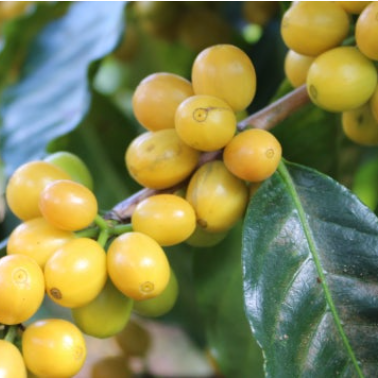
Pacamara is one of the most unique and fascinating varietals of Arabica coffee. Its name is a dead giveaway for its family history, for it is a man-made crossbreed between Pacas and Maragogipe. Her parents are both mutations of the standard varietal groups; Pacas is a mutation of Bourbon, and Maragogipe is a mutation of Typica.
Pacamara was created in the late 1950s by the El Salvador Institute of Coffee Research, more commonly known as ISIC, to bring the best of both worlds together. The Pacas plant is relatively short in height due to its genetic mutation, making it an ideal choice to maximize the potential yield in dense plantations. It also showed some resistance to harsh environmental conditions, such as sustained drought, due to its compact foliage. The Maragogipe plant, while inferior in terms of gross yield and productivity due to its bigger size and susceptibility to weather, possessed some outstanding cup qualities. Naturally, the hybrid between the two varietals seemed like a match made in coffee heaven.
Unfortunately, Pacamara was just a tad bit imperfect to be the golden child of the power couple. First of all, it is extremely susceptible to most major coffee diseases. Coffee Leaf Rust, Coffee Berry Disease, and Nematode are the preeminent threats, heavily damaging the Pacamara population across Latin America from time to time. Moreover, its genetic selection was never completed due to political turmoils – the varietal still remains unstable, which means that there is no guarantee that a Pacamara plant of one generation will give rise to another generation of homogeneous Pacamara plant. In fact, they have a 10-30% regression rate, which means that a Pacamara seed has a 10-30% chance of growing back into either a Pacas or a Maragogipe plant.
where is it now?
Despite some shortcomings, Pacamara is indeed the prized daughter of Latin American coffee industry. While the golden child named Gesha often overshadow it in public eye, Pacamara still stands firm in its dominance of various competitions including the Cup of Excellence.
For example, 16 out of 30 coffees selected for 2024 COE in El Salvador were of Pacamara varietal. With its exceptional cup quality and high productivity, Pacamara dominates the market as high-quality, premium varietal that allows coffee farmers to produce unique high-end beans aimed towards consumers of specialty coffee.
As you might have noticed from the COE results, a large part of Pacamara beans come from Central America – mainly El Salvador. Guatemala, Honduras, and Nicaragua are other notable producers of the hybrid varietal. These countries are where Pacamara was first created and has been made their signature produce. While it is difficult to track the exact quantity or percentage of Pacamara harvested in these regions, it is undoubtedly true that the hybrid varietal is, and will be in foreseeable future, a major player in the game.
What does it taste like?
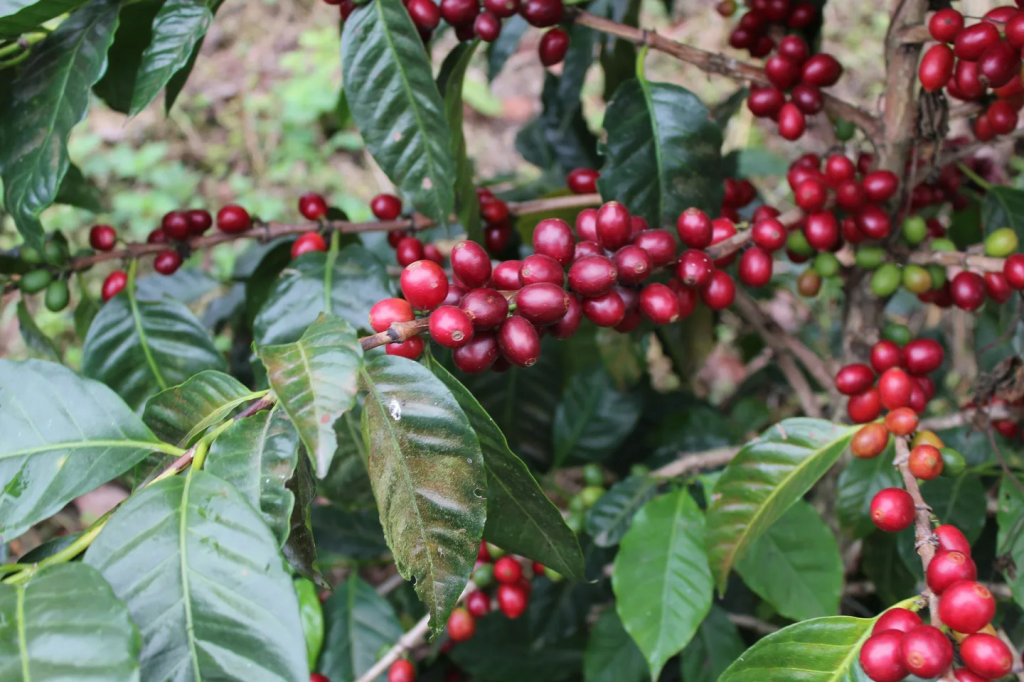
The Pacamara plant is a unique mix of her two parents; a medium sized plant with large leaves, thick foliage, and characteristically huge beans.
But the important question remains. What does it actually taste like?
It is hard to identify a single flavour combination that is characteristic of all Pacamaras. While it is often characterized as “well-rounded” and “intense”, you would rarely come across a standard description of what Pacamara coffee tastes like.
Speaking from my personal encounters with the varietal, I recognize Pacamara cups by its unique combination of red berry, chocolate, nuts, and spices. While the combination itself is a standard one for many natural processed coffees, Pacamara beans tend to be noticeable by heavier and creamy mouthfeel that gives a flavoured chocolate milk-like quality to the entire drink. When requested a straightforward description, I simply answer that Pacamara coffees are characterized by the note of milk chocolate bar with a bright fruit syrup inside. I know it sounds weird and probably disgusting, but it somehow works for Pacamara.
my personal favorite
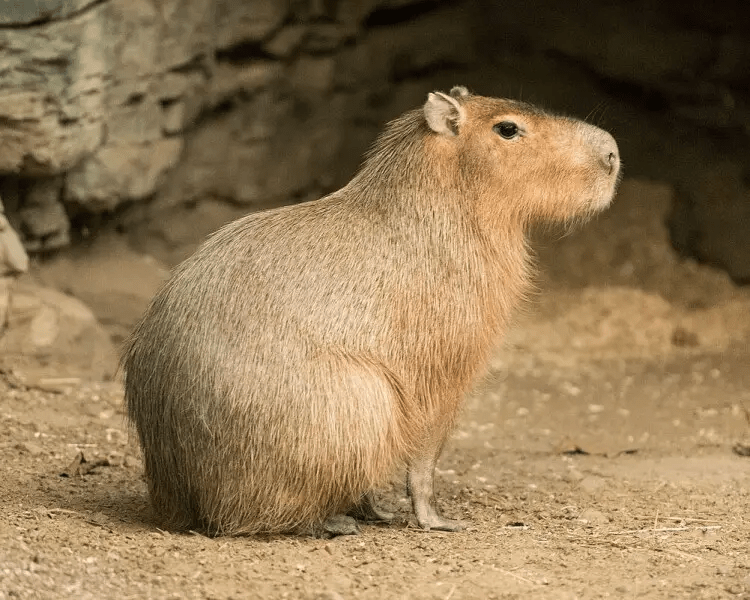
Pacamara coffee is in fact my favorite varietal of Arabica coffee. But my preference does not stem from its beautifully complex flavour profile nor fascinating history. I have a designated place in my heart for Pacamara, simply because of its name. The smooth sensation of its name “Pacamara” rolling off the tip of my tongue just makes me wanna sing, up and ready to brew a nice cup of Pacamara coffee. And it even sounds like “Capibara”, one of my favorite animals!
I know I am being weird. But try pronouncing the name when you brew a cup, and you’ll understand what I’m talking about.
 Coffee nerd blog
Leave a comment